
CHOOSE YOUR PATH
Every student enters with different interests, and that’s exactly how it should be.
Start with what interests you, then build real skills, real experience, and a real future in agriculture.
From there, their experience expands through coursework, SAE projects, and FFA involvement.
Our pathways give students a starting point, helping them focus their learning, gain hands-on experience, and build confidence in a specific area of agriculture.
Pathways:
Animal Science PathwayWork with Livestock. Build Responsibility. Learn by Doing.
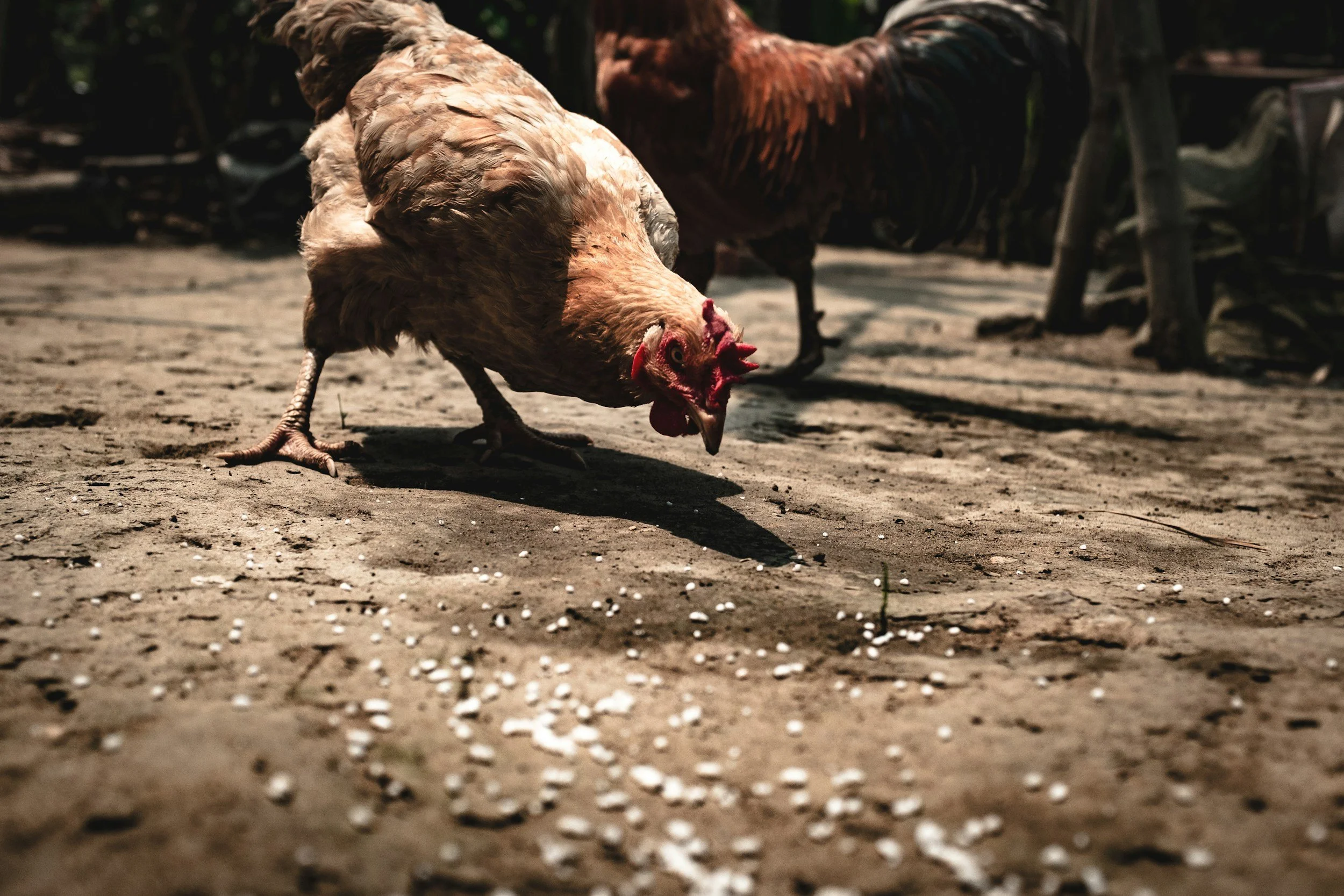
What This Path Looks LikeStudents in the Animal Science pathway gain hands-on experience working with livestock and animal systems.
This could include:
Working on local operations or ranches
Assisting with herd management and daily care
Learning feeding, health, and handling practices
Supporting breeding, calving, or production cycles
How Students Grow
This pathway develops:
Responsibility and consistency
Attention to detail
Work ethic and time management
Confidence working with animals and producers
Real-World Experience (SAE)
Students may:
Work for a producer or operation
Start or grow their own livestock project
Assist in family or community ag businesses
FFA Connection
Students apply what they’re learning through:
Livestock judging
Animal science competitions
Leadership events
If you enjoy working with animals and want to build real responsibility and hands-on skills, this is where you start.
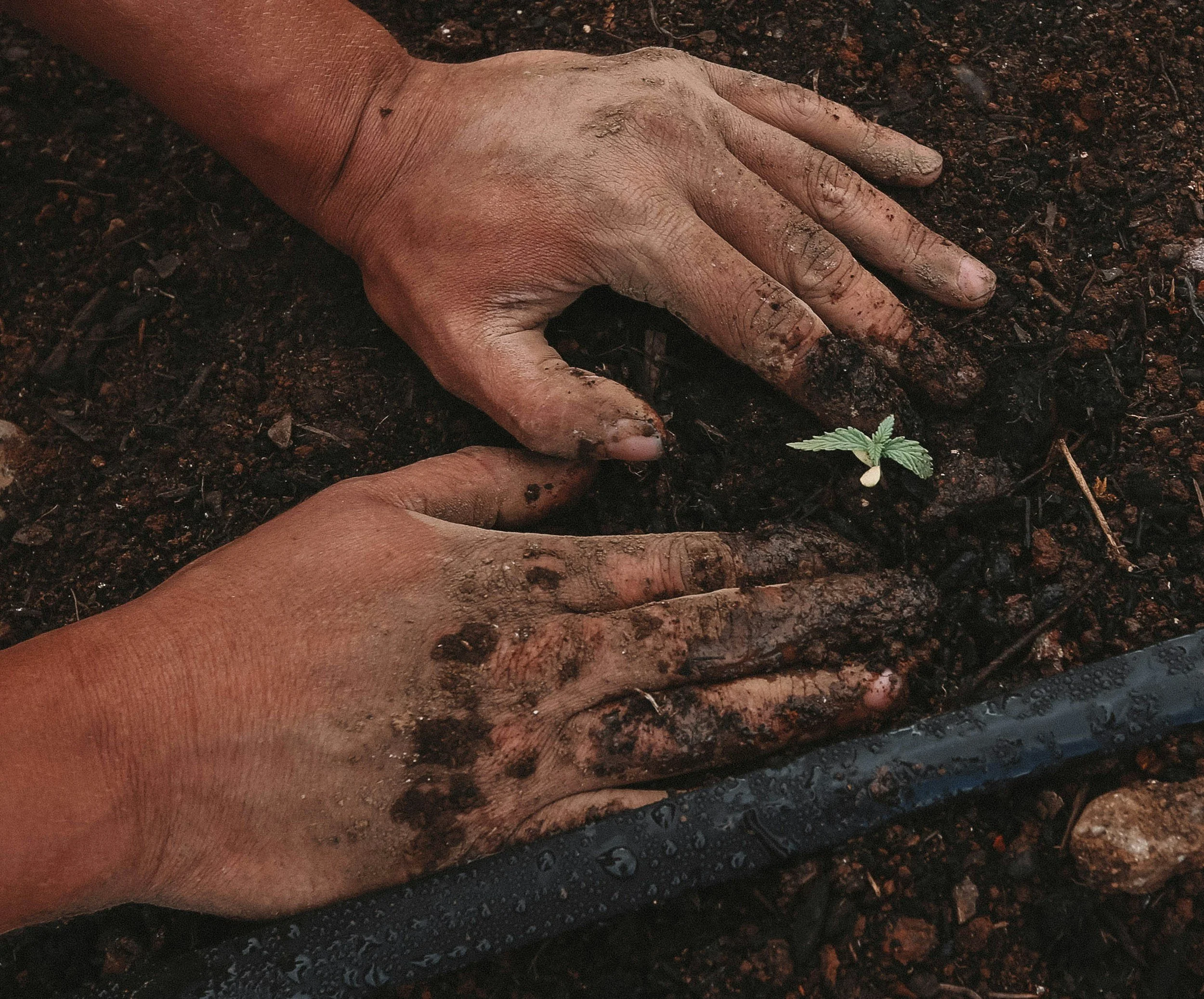
Plant Science PathwayUnderstand the Land. Grow with Purpose. Work in the Field.
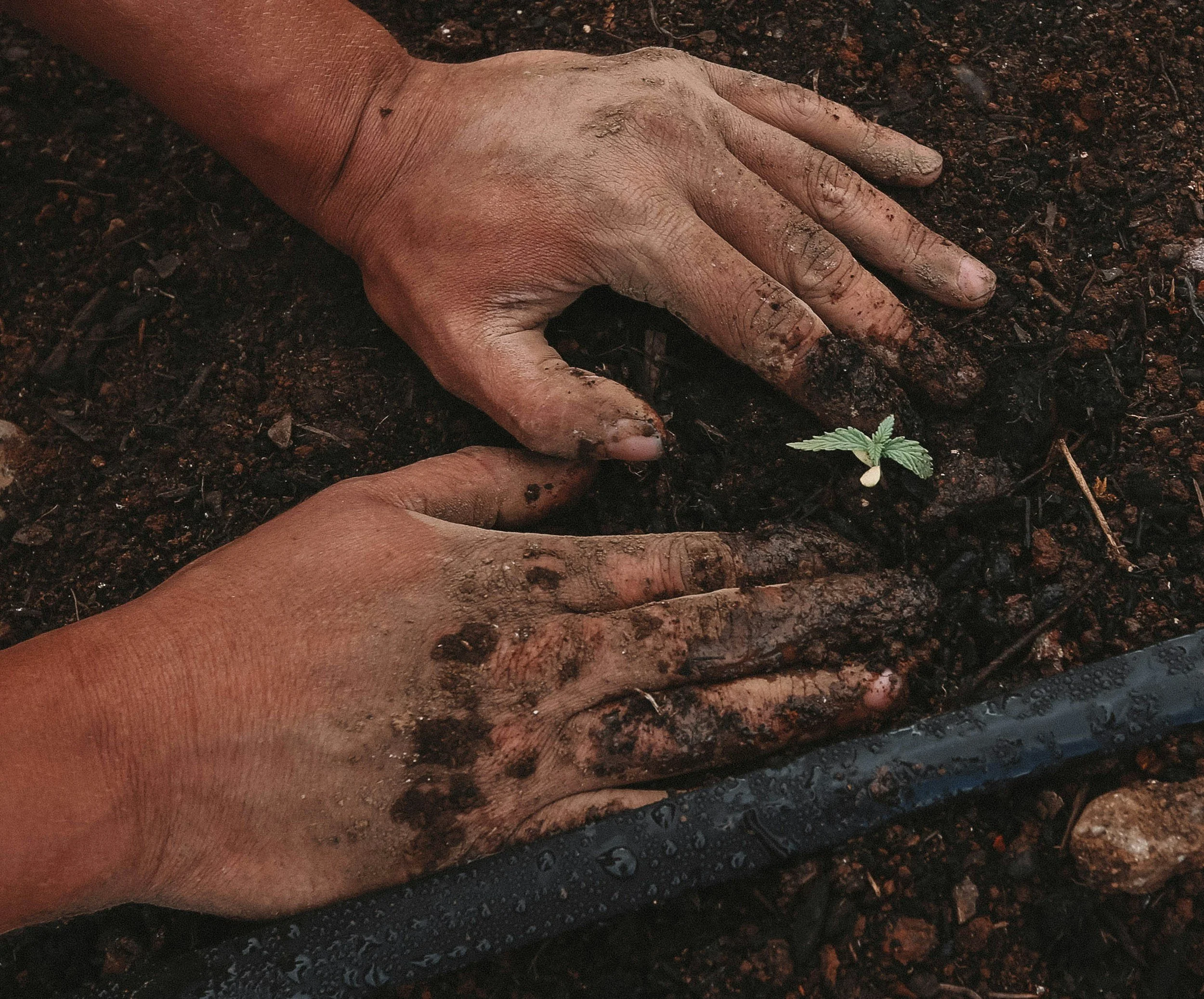
What This Path Looks LikeStudents in the Plant Science pathway gain experience in crop production, agronomy, and land management.
This could include:
Working with farmers during planting and harvest
Learning crop inputs, soil health, and field management
Assisting with equipment operation and maintenance
Understanding seasonal cycles and decision-making
How Students Grow
This pathway develops:
Problem-solving and critical thinking
Awareness of timing and conditions
Mechanical and operational skills
Confidence in real-world agricultural environments
Real-World Experience (SAE)
Students may:
Work for a farm or ag business
Assist with crop production or agronomy services
Start their own small-scale growing project
FFA Connection
Students apply what they’re learning through:
Agronomy competitions
Crop judging
Leadership development
If you’re interested in crops, land, and how agriculture works from the ground up, this is your path.
Natural Resources PathwaySteward the Land. Protect Resources. Lead with Purpose.
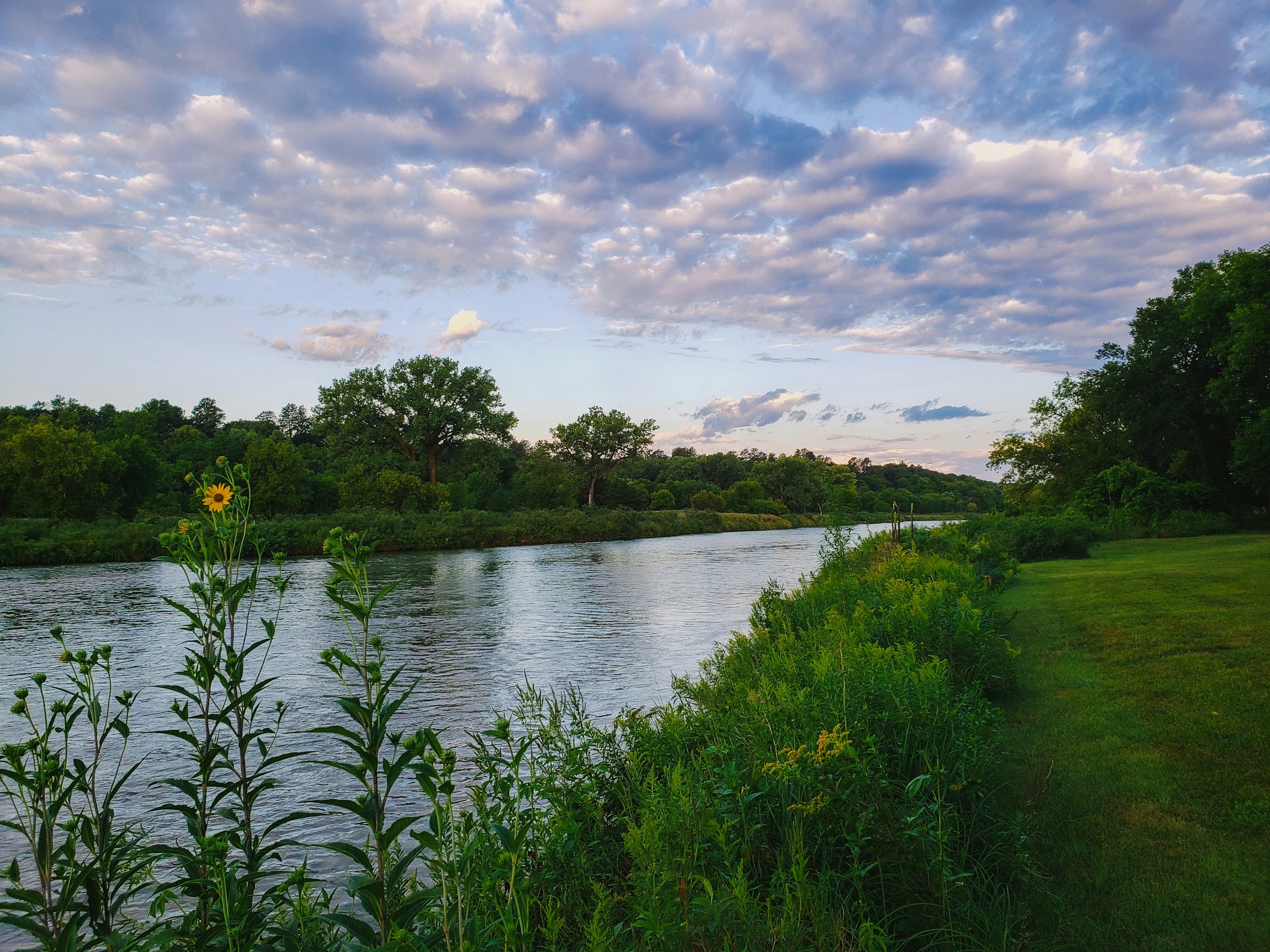
What This Path Looks LikeStudents in the Natural Resources pathway explore the connection between agriculture, conservation, wildlife, and land stewardship.
This pathway gives students hands-on exposure to how natural systems impact rural communities, agriculture, and the future of our environment.
This could include:
Wildlife and habitat management
Soil and water conservation
Grazing and pasture management
Forestry, range, and ecosystem studies
Outdoor leadership and environmental stewardship
How Students Grow
This pathway develops:
Observation and problem-solving skills
Leadership and stewardship mindset
Understanding of conservation practices
Confidence working in outdoor environments
Real-World Experience (SAE)
Students may:
Work with conservation organizations or local operations
Assist with habitat or land improvement projects
Develop their own environmental or outdoor-focused SAE project
FFA Connection
Students apply what they’re learning through:
Natural Resources competitions
Environmental and land-use events
Leadership and public speaking opportunities
If you care about the land, wildlife, conservation, and the future of rural environments, this pathway gives you a place to grow.
Start Somewhere, Grow Everywhere.
Choosing a pathway doesn’t limit students; it gives them direction.
As students grow, many expand their experience into other areas, discovering new interests and building a more complete understanding of agriculture.
Turn Your Path into a Plan.
What happens next?
Once a student chooses a pathway, the next step is building a plan.
In a one-on-one session, we map out:
Coursework (modules)
Work experience (SAE)
FFA opportunities
Personal goals
Every student leaves with a clear direction and the support to follow through.